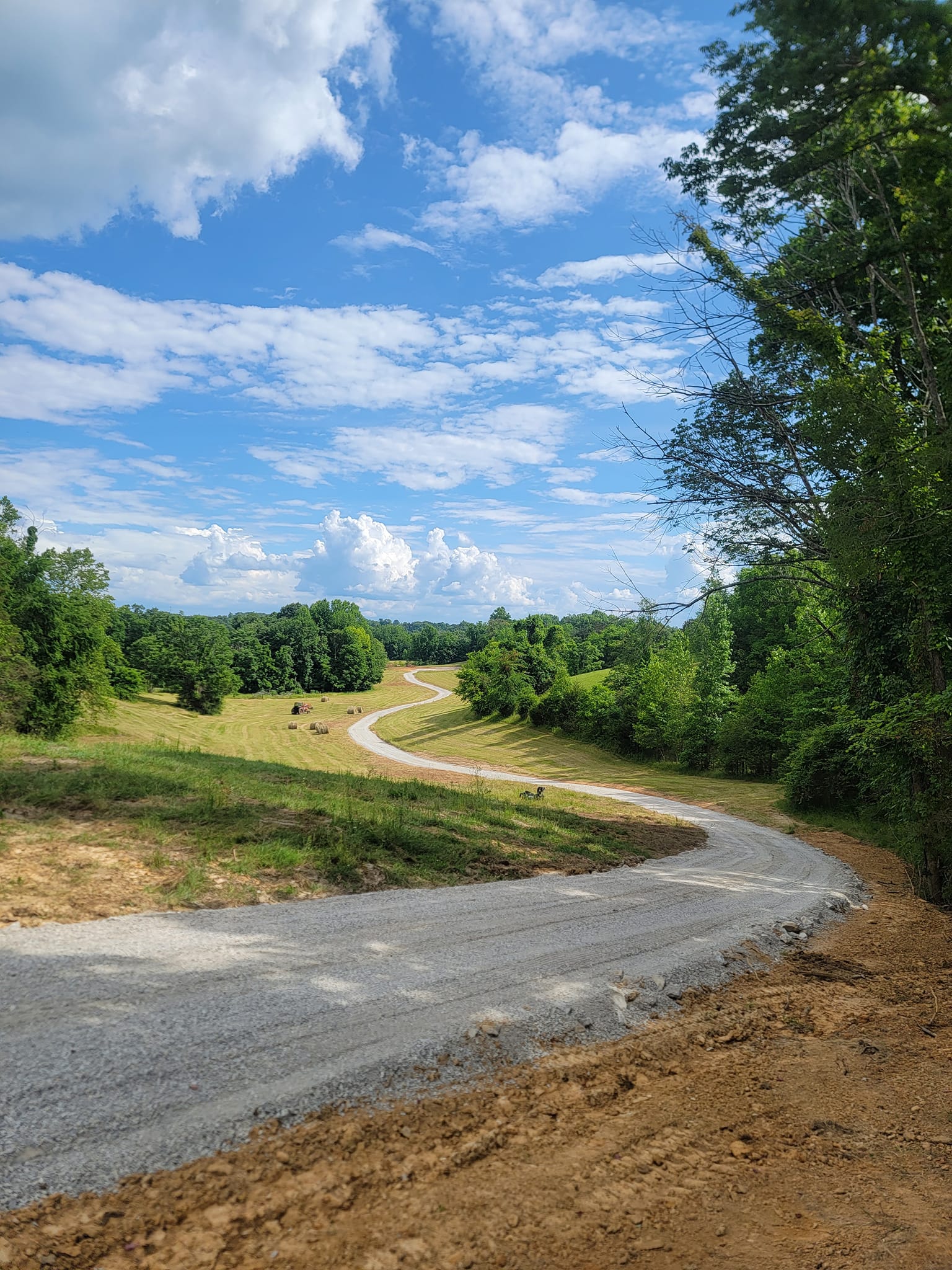
Excavation Challenges in Remote Locations: Solutions from Troyer's Expertise May 24, 2026
One of the primary challenges in remote excavation is access. Often, these locations are situated far from main roads or towns, making it difficult to transport heavy machinery and essential equipment. To tackle this, Troyer's Excavation employs logistical planning that optimizes resources, schedules transportation meticulously, and ensures that even the most cumbersome equipment reaches the site safely and efficiently. By maintaining a fleet of versatile vehicles and machinery suited for uneven terrain, we minimize delays and start work promptly, maintaining project timelines without compromise.
Infrastructure limitations are another hurdle in remote locations. The absence of nearby utilities such as electricity, water, and waste management can severely impact an excavation project's progress. At Troyer's Excavation, we anticipate these needs by providing and installing temporary infrastructure solutions. From portable generators and water tanks to eco-friendly waste disposal systems, our self-sufficient setups ensure that work continues smoothly, even at great distances from urban conveniences.
Weather unpredictability poses another significant challenge. Remote areas often experience extreme weather, from heavy rains and snow to scorching heat, all of which can halt excavation activities. Our team at Troyer's moves swiftly in adapting to these conditions by using weather-resistant materials and equipment. Additionally, our comprehensive contingency planning includes weather forecasts, allowing us to adjust work schedules and deploy protective measures as needed to minimize downtime and keep the project on track.
Communication barriers can obstruct project updates and coordination. In remote areas, reliable communication networks might be sparse or entirely absent. To mitigate this, Troyer's Excavation equips teams with satellite phones and radio systems, ensuring that our project managers remain connected with our clients and crew at all times. This ensures timely updates and the agile handling of any issues that may arise during the excavation process.
Environmental concerns are critical in remote locations, where ecosystems can be particularly sensitive. At Troyer's Excavation, we prioritize sustainable practices that minimize our environmental footprint. We conduct thorough site assessments to understand ecological impacts, employ techniques that prevent soil erosion, and ensure minimal disturbance to local wildlife. By doing so, we not only respect the environment but align with regulatory requirements, enhancing project approval processes.
In conclusion, while remote excavation projects come with an array of challenges, they are not insurmountable. With Troyer's Excavation, clients benefit from a wealth of experience and a dedication to innovative problem-solving. Our careful planning, adaptable strategies, and sustainable practices make us a leading choice for excavation needs, regardless of location. When embarking on a project in a remote area, trust Troyer's expertise to transform challenges into seamless solutions, achieving not just a project completed, but a project well done.
/filters:no_upscale()/filters:format(webp)/media/f6f3cefb-83e1-401c-b9e3-234b52448111.jpeg)